Key Signs of Hip Dysplasia in Dogs You Should Understand
Hip dysplasia in dogs is a common condition that can greatly impact their overall well-being. Important indicators often emerge gradually, making prompt identification vital. Symptoms like reluctance to engage in activities, visible lameness, and alterations in body position may suggest hidden problems. Recognizing these signs can help pet owners take proactive measures. But what other minor signs should be monitored to ensure a dog's well-being?
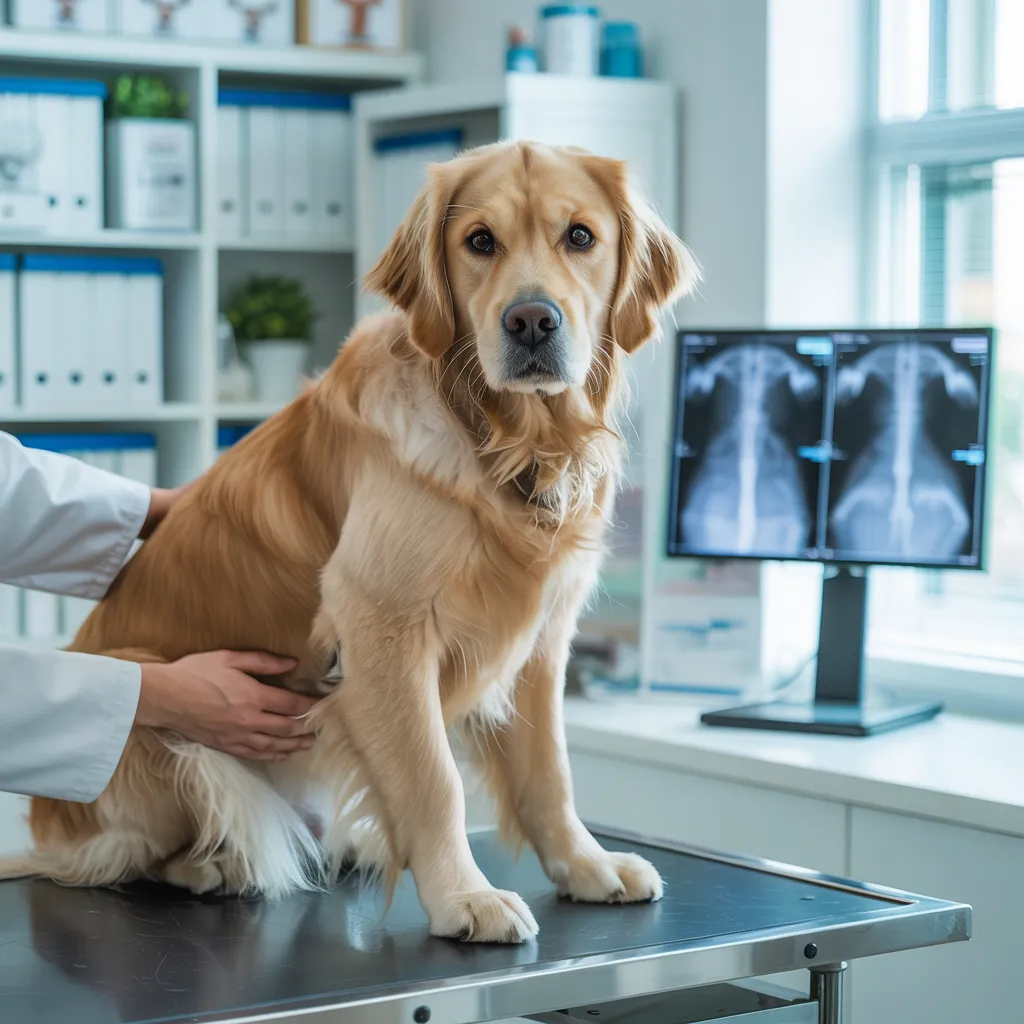
Noticing Early Symptoms of Hip Dysplasia in Dogs
Many dog owners may not realize that detecting early signs of hip dysplasia in dogs is crucial for effective management. This condition often starts gradually, making timely identification critical. Common signs include a unwillingness to participate in exercise, such as running or going up stairs. Owners may notice their dogs exhibiting difficulty standing up after resting, or showing abnormal positions, like a "bunny hop" when running. Additionally, soreness or pain, particularly after periods of inactivity, can suggest deeper problems.
Moreover, shifts in behavior, like increased restlessness or steering clear of touch near the hip area, might indicate distress. Weight gain might also happen due to decreased activity levels, further complicating the issue. Noticing these early signs allows for timely veterinary consultations, supporting suitable interventions and management strategies. Early detection can significantly improve a dog's quality of life and overall well-being.
The Way Mobility Changes Signal Hip Dysplasia
Changes in mobility can act as key signs of hip dysplasia in dogs. Symptoms such as limping or protecting a limb, along with a noticeable unwillingness to be active, may suggest underlying joint issues. Observing these behaviors is essential for early detection and intervention.
Limping or Relying on One Leg
One of the first detectable signs of hip dysplasia in dogs is limping or favoring one leg. This behavior generally comes from pain or discomfort associated with the hip joint's weakness. As the condition develops, the affected dog may show a distinct preference for one leg and alter its gait to reduce bearing weight on the problematic hip. Observers could notice the dog hesitating before jumping or running, or showing a clear limp during walks. These changes are vital indicators, encouraging owners to seek veterinary evaluation. Early detection and intervention can improve a dog's quality of life considerably, making careful monitoring of mobility changes essential. Identifying these signs can lead to prompt diagnosis and successful management of hip dysplasia.
Unwillingness to Exercise
Disinclination to take part in physical activity represents a what are the first signs of hip dysplasia in dogs significant indicator of hip dysplasia in dogs. As the condition progresses, affected dogs often show decreased enthusiasm for walks, playtime, or other forms of exercise. This aversion may result from pain or discomfort in the hip joints, which can lead to altered mobility patterns. Owners may spot their pets pausing before jumping, climbing stairs, or participating in activities they once enjoyed. Additionally, dogs may opt to rest or lie down rather than engage in physical exertion. Identifying this reluctance is vital, as it can suggest underlying joint issues. Monitoring changes in exercise habits can aid in early detection, allowing for timely veterinary intervention and improved quality of life for the dog.
Noticing Action-based Manifestations of Pain
Detecting physical signs of pain in dogs with hip dysplasia is important for timely treatment. A reduction in physical activity, reluctance to leap, and increased aggression or irritability can all point to discomfort. Recognizing these developments can help owners seek appropriate veterinary attention.
Changes In Movement Capacity
As dogs age or feel discomfort, subtle changes in movement often appear, pointing to possible health issues like hip dysplasia. Owners may detect their pets becoming less interested in playtime or gentle walks. Increased lethargy, unwillingness to join favorite activities, or an overall reduction in energy can suggest underlying pain. These variations may also express as reduced play sessions or a tendency for rest over active engagement. Furthermore, dogs may display a more cautious movement style, avoiding sudden bursts of energy. It is important for pet owners to observe these behavioral changes closely, as they can be key signs of discomfort and possible hip dysplasia, requiring additional veterinary evaluation.
Hesitation About Taking the Leap
Dogs often find jumping a natural and joyful activity, but a visible hesitation to leap can be a sign of underlying pain, notably in cases of hip dysplasia. They might avoid jumping onto furniture, climbing into cars, or during play, which indicates discomfort. This reluctance manifests as a shift in their usual enthusiasm, where they might settle for less taxing activities instead. Owners may see their pets standing still, looking longingly at a location they once jumped to effortlessly. In addition, dogs may exhibit a more hesitant, cautious approach when they try to jump, often relying more on their front legs than their hind legs. Recognizing this behavioral change is crucial for detecting potential pain and obtaining suitable veterinary care.
Heightened Irritability Or Aggressiveness
Reluctance to take part in happy activities can cause other behavioral changes in dogs, including heightened irritability or aggression. When a dog experiences pain from hip dysplasia, frustration may appear as a short temper. Simple engagements that were once enjoyable, such as playtime or petting, can become triggers for aggressive outbursts. This shift in behavior often derives from the dog's inability to communicate discomfort effectively, causing anxiety and restlessness. Owners may see their pets growling at family members or becoming overly protective of their territory. Recognizing these signs is crucial, as they suggest the dog may be suffering. Managing the root pain through veterinary consultation can assist in bringing back the dog's emotional health and better behavior.
Key Physical Indicators of Hip Dysplasia to Watch For
Many dogs with hip dysplasia display noticeable physical signs that can indicate pain and movement problems. One common indicator is a unwillingness to participate in physical activities, such as sprinting or leaping. Pet owners may notice their dogs reluctant to ascend stairs or to jump into the car. Additionally, dogs with the condition often show a characteristic "bunny hop" gait, using both hind legs simultaneously, which can suggest discomfort or weakness in the hip joints.
Another physical indicator is decreased muscle mass in the hindquarters, as dogs may avoid using their back legs fully. Swelling around the hip joints may also be apparent, and some dogs may display limping or favoring one leg over the other. Owners should be vigilant for these signs, as they can greatly impact a dog's overall wellness and general health. Early detection is essential for proper care of the condition.
Why Regular Vet Visits Are Essential for Diagnosis
Regular vet check-ups are critical for the early diagnosis of hip dysplasia, because subtle signs may be overlooked by pet owners. At these visits, veterinarians perform comprehensive physical examinations, checking for any abnormalities in joint movement and general mobility. They can spot early indicators of hip dysplasia, such as a decreased range of motion or discomfort during the dog's examination.
Furthermore, veterinarians have availability of advanced diagnostic tools like X-rays, which can uncover structural issues in the hips that are not apparent during a routine check. Identifying hip dysplasia promptly allows for timely intervention, which can greatly improve a dog's overall well-being. Regular check-ups also offer an opportunity for dog proprietors to talk about any conduct modifications or physical concerns, ensuring that any possible problems are addressed quickly. In summary, regular professional veterinary attention plays a important part in the early detection and treatment of hip dysplasia in dogs.
The Function of Weight in Hip Dysplasia Management
Weight management serves an important role in the overall treatment and control of hip dysplasia in dogs. Excess weight adds additional stress on the hip joints, exacerbating pain and limiting mobility. Maintaining a healthy weight can alleviate this pressure, potentially improving the dog's quality of life.
A sound nutritional diet suited to the dog's age, size, and activity level is essential for successful weight control. Regular physical activity is also essential, as it helps sustain muscle mass and joint function while promoting healthy weight loss. However, exercise should be controlled to avoid overexertion, especially in dogs already showing signs of hip dysplasia.
Owners should be urged to work alongside veterinarians in order to establish suitable weight goals and design a comprehensive management plan. Through emphasizing weight control, owners are able to greatly improve their dog's movement and comfort, contributing positively to the overall management of hip dysplasia.
Efficient Therapeutic Approaches for Hip Dysplasia
Reviewing effective care approaches for hip dysplasia is necessary for promoting a dog's life quality. Veterinarians commonly recommend a mixture of conservative and surgical approaches adjusted to the dog's age, intensity of the condition, and overall health. Preventative treatments feature weight management, therapeutic activities, and joint supplements like glucosamine and omega-3 fatty acids. These methods seek to minimize pain and improve mobility.
In more extreme cases, surgical options may be vital. Interventions such as femoral head osteotomy (FHO) or total hip replacement can deliver long-term relief and restore function. Post-operative rehabilitation is fundamental for convalescence and involves monitored physical activity and therapeutic care.
Canine proprietors should partner with their veterinarian to create a extensive treatment plan, ensuring the optimal results for their dog. Prompt treatment and consistent management can greatly enhance the well-being of dogs dealing with hip dysplasia.
Common Questions That Are Frequently Asked
How Do Veterinarians Diagnose Hip Dysplasia in Dogs?
Hip dysplasia in dogs is identified through a combination of physical examinations, assessment of joint mobility, and diagnostic imaging such as X-rays. Veterinarians evaluate the alignment of the hip joints to confirm the condition.
Can Heredity Cause Hip Dysplasia?
Yes, hip dysplasia can be hereditary. Hereditary elements play a significant role in its progression, often affected by the breeding methods and pedigree of the dog, particularly in prone breeds. Awareness is critical for responsible breeding.
Which Dog Types Show the Greatest Propensity for Hip Dysplasia?
Some types such as German Shepherds, Golden Retrievers, Rottweilers, and Bulldogs are more likely to experience hip dysplasia. Genetic influences, paired with rapid growth and weight, are instrumental in its development within these breeds.
Can you Stop Hip Dysplasia from Occurring in Puppies?
Hip dysplasia in puppies cannot be fully avoided, but responsible breeding, maintaining proper weight, and offering proper nutrition can significantly minimize the risk. Early intervention and consistent veterinary care are also helpful for general skeletal wellness.
How Does Age Influence Hip Dysplasia Intensity?
Age markedly affects the severity of hip dysplasia, with older dogs often enduring progressive joint degeneration and pain. Younger dogs may exhibit milder symptoms, but early intervention can help manage the condition effectively.